
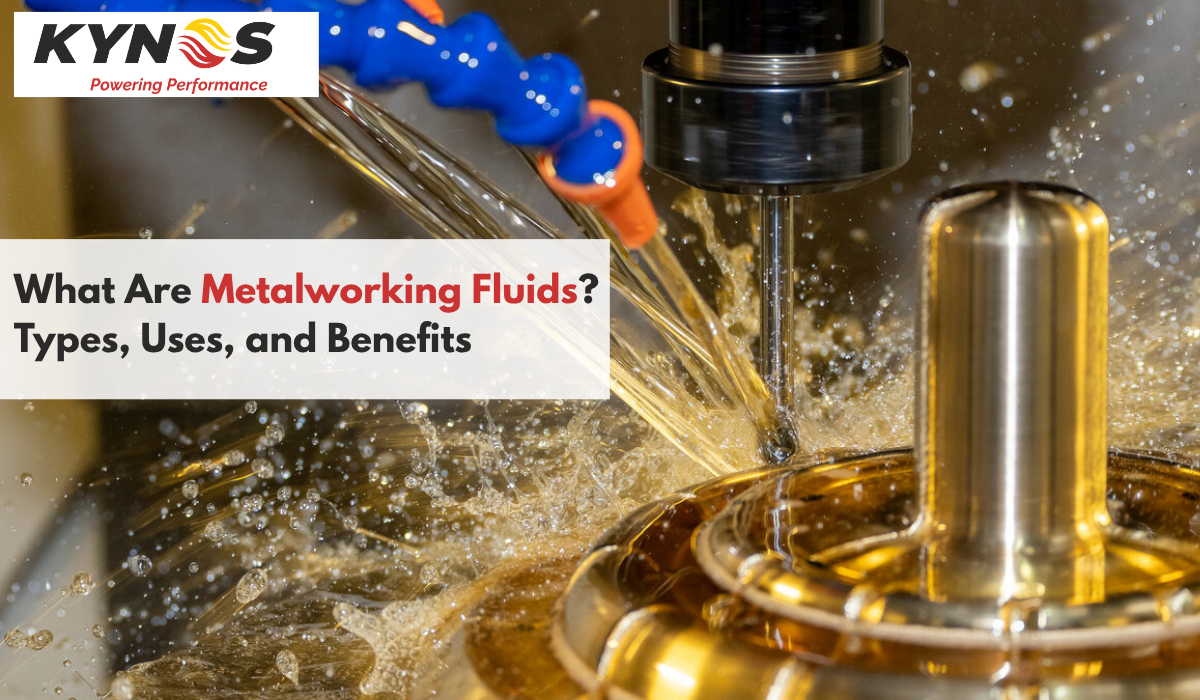
What Are Metalworking Fluids? Types, Uses, and Benefits
Metalworking fluids are liquids used during machining and metal fabrication to control heat, reduce friction, improve surface finish, and help remove metal chips from the cutting area. The main types include straight oils, soluble oils, semi-synthetic fluids, and synthetic fluids. Selecting the right metalworking fluid depends on the machining process, metal type, operating conditions, and required finish.
What Are Metalworking Fluids?
Metalworking fluids are specialized industrial fluids used in operations such as turning, milling, drilling, grinding, and tapping. They help manage the heat and friction generated when a cutting tool contacts a metal workpiece.
Depending on their formulation, metalworking fluids can provide cooling, lubrication, corrosion protection, and chip removal. They are commonly used in automotive manufacturing, engineering workshops, metal fabrication, and precision machining industries.
Why Are Metalworking Fluids Used in Machining?
During machining, friction between the cutting tool and the workpiece generates heat. Excessive heat can accelerate tool wear, affect dimensional accuracy, and reduce the quality of the finished component.
Metalworking fluids help address these challenges by:
Controlling heat: Removing heat from the cutting zone and workpiece.
Reducing friction: Improving lubrication between the tool and metal surface.
Improving surface finish: Helping produce smoother, more consistent components.
Supporting tool life: Reducing friction-related wear when the fluid is suitable for the application.
Removing chips: Helping carry away metal particles from the machining area.
Protecting against corrosion: Providing protection where the formulation is designed for it.
The results depend on the fluid, machine setup, cutting parameters, and maintenance practices.
What Are the Different Types of Metalworking Fluids?
Metalworking fluids are available in several formulations. Each type offers different cooling and lubrication characteristics.
The appropriate option depends on the operation, workpiece material, machine requirements, and fluid manufacturer's recommendations. Not every fluid is suitable for every machining process.
How Do Different Metalworking Fluids Work?
Straight oils generally provide strong lubricating properties, making them useful for operations where friction reduction is particularly important. Water-miscible fluids, including soluble oils, semi-synthetic fluids, and synthetic fluids, can provide effective cooling when correctly mixed and applied.
For example, a machining process that generates substantial heat may require a fluid with strong cooling performance. A difficult cutting operation may place greater emphasis on lubricity and boundary protection.
When comparing high performance metalworking fluids, consider the complete application rather than relying on a product label alone. Viscosity, concentration, additive technology, compatibility, and operating conditions all influence performance.
What Are the Common Applications of Metalworking Fluids?
Industrial metalworking fluids support a wide range of manufacturing processes.
CNC machining: Helps manage heat and friction during automated cutting operations.
Turning: Supports cutting performance as the workpiece rotates against the tool.
Milling: Helps control heat during material removal with rotating cutters.
Drilling: Supports lubrication and chip removal inside drilled holes.
Grinding: Helps cool the workpiece and remove grinding debris.
Tapping and threading: Provides lubrication during thread formation.
Metal fabrication: Supports selected cutting and machining processes used in component manufacturing.
The fluid must be compatible with the metal, machine, seals, and other materials it contacts.
What Are the Benefits of Metalworking Fluids?
Using an appropriate metalworking fluid can improve machining efficiency and product consistency. Benefits may include longer cutting-tool life, better surface quality, improved heat control, reduced friction, and fewer defects associated with poor lubrication or overheating.
Fluid selection can also affect maintenance requirements and overall operating costs. However, results depend on correct application, concentration where applicable, filtration, contamination control, and regular monitoring.
How to Choose the Right Metalworking Fluid
Before selecting an industrial metalworking fluid, assess these key factors:
Machining process: Identify whether the operation involves turning, drilling, milling, grinding, or another process.
Workpiece material: Check compatibility with steel, stainless steel, aluminium, cast iron, or the specific alloy being machined.
Cooling and lubrication needs: Determine which properties matter most for the operation.
Machine requirements: Review equipment guidance, fluid delivery systems, and material compatibility.
Operating conditions: Consider cutting speed, load, temperature, and production demands.
Technical documentation: Review the technical data sheet (TDS) and safety data sheet (SDS).
Maintenance requirements: Check concentration monitoring, filtration, contamination control, and disposal procedures.
Consult the fluid manufacturer or technical supplier when an application requires specific performance characteristics.
Metalworking Fluids for Different Metals
Different metals can require different fluid properties. Aluminium machining, for example, may require attention to staining, residue, and compatibility. Stainless steel operations may need suitable lubricity to manage demanding cutting conditions. Cast iron machining often requires careful management of fine particles and cleanliness.
These are general selection considerations, not universal rules. The correct fluid depends on the alloy, machining process, tooling, and manufacturer's recommendations. Always verify suitability before introducing a new fluid into production.
Metalworking Fluid Maintenance and Monitoring
Even a suitable fluid can perform poorly if it is not maintained correctly. Water-miscible fluids may require routine concentration and pH checks, while all fluid systems benefit from appropriate contamination control.
Good maintenance practices include:
Monitoring fluid condition and concentration according to the manufacturer's instructions.
Removing chips and contaminants through suitable filtration or separation.
Checking for unusual odours, foaming, corrosion, or changes in appearance.
Maintaining the recommended fluid level and operating conditions.
Following recommended cleaning, replacement, handling, and disposal procedures.
Regular monitoring helps identify problems before they affect machining quality or production schedules.
Common Problems Caused by Incorrect Fluid Selection
An unsuitable metalworking fluid can contribute to excessive tool wear, poor surface finish, corrosion, foaming, residue, or inadequate cooling. Contamination and incorrect concentration can also affect fluid performance.
When problems occur, review the application, fluid specifications, concentration, machine condition, water quality where relevant, and maintenance history. Consult a qualified technical representative before making significant changes to the fluid system.
Metalworking Fluid Safety and Handling
Follow the product label and safety data sheet when storing, handling, mixing, and disposing of metalworking fluids. Use the recommended personal protective equipment, maintain suitable workplace hygiene, and avoid unnecessary skin contact or exposure to mist.
Fluid waste and contaminated materials should be handled in accordance with applicable environmental and local disposal requirements.
How to Select a Metalworking Fluid Supplier
When comparing metalworking fluids manufacturers, evaluate technical documentation, product consistency, application guidance, packaging options, supply capacity, and after-sales support. High performance metalworking fluids should be selected based on verified specifications and suitability for the intended process, not marketing claims alone.
For industrial buyers in Gujarat, including Vapi, Silvassa, Surat, Vadodara, Ahmedabad, Bharuch, and Ankleshwar, evaluating supply arrangements alongside technical suitability can help support production planning. Buyers should confirm product availability, delivery terms, and technical support directly with the supplier.
Kynos Lubrication’s Metalworking Fluid Solutions
Kynos Lubrication serves industrial lubrication requirements. If you are considering Kynos for metalworking fluid requirements, contact the company to confirm the availability of a suitable product, its technical specifications, and its compatibility with your machining process.
Share your workpiece material, machining operation, operating conditions, and required fluid properties to help identify an appropriate solution. Always review the relevant product documentation before use.
Conclusion
Metalworking fluids play an important role in machining quality, tool performance, and production efficiency. Understanding their types, applications, and maintenance requirements helps manufacturers make informed selection decisions. Before choosing an industrial metalworking fluid, compare technical specifications, verify material compatibility, and consult the supplier about your application.
Contact Kynos Lubrication to discuss your industrial lubrication requirements and confirm suitable product options.
Frequently Asked Questions
1. What are metalworking fluids used for?
Metalworking fluids are used to cool and lubricate the machining area, reduce friction, support chip removal, improve surface finish, and help protect tools and workpieces.
2. What are the four main types of metalworking fluids?
The four common categories are straight oils, soluble oils, semi-synthetic fluids, and synthetic fluids. Their properties and suitable applications differ.
3. What is the difference between cutting oil and metalworking fluid?
Cutting oil usually refers to an oil-based fluid used in machining. Metalworking fluid is a broader term that includes straight oils and water-miscible or synthetic formulations.
4. How do I choose a high performance metalworking fluid?
Consider the machining process, workpiece material, cooling and lubrication requirements, machine compatibility, operating conditions, and manufacturer specifications.
5. How often should metalworking fluids be replaced?
There is no universal replacement interval. Frequency depends on the fluid type, contamination, operating conditions, monitoring results, and the manufacturer's maintenance guidance.